
Pallets for the Food and Beverage Industry
- New and heat-treated pallets
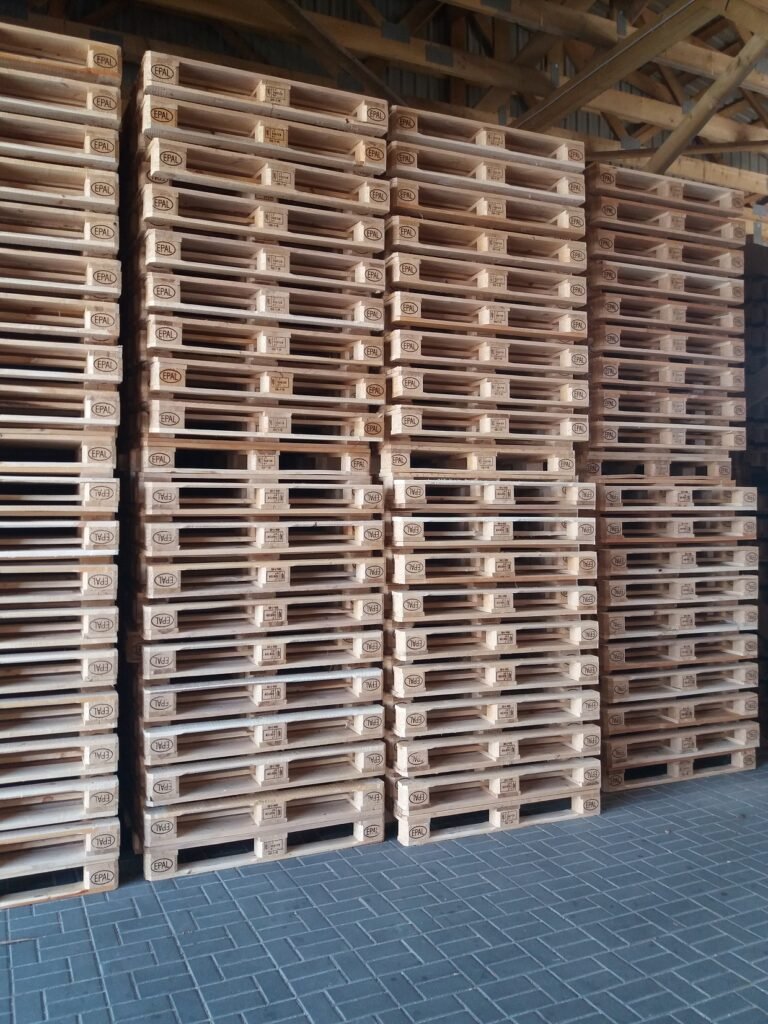
- EPAL for retail exchange
- Plastic for wet areas
- Retail distribution
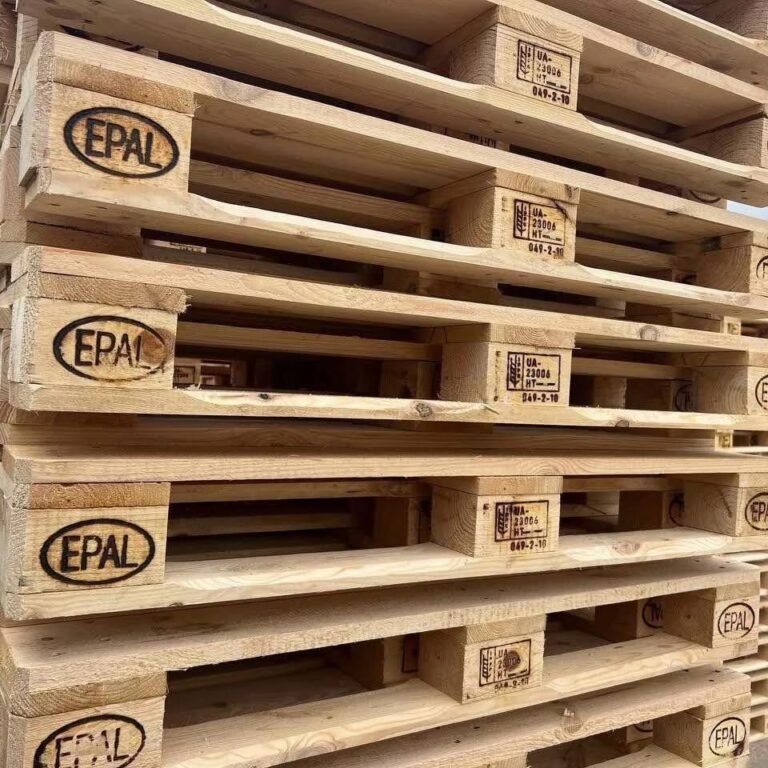
- EPAL euro pallets
- Production areas
- New or plastic pallets
- Exports
- ISPM 15 heat-treated
- Minimum order
- 100 pallets
Your pallet procurement checklist
Get a useful quotation by matching the pallet to your load, receiving site and required condition.
Confirm the specification
Share your internal pallet specification, load distribution, receiving equipment and cleanliness requirements. Material or heat treatment alone does not establish suitability for a controlled production area.
Share the order and delivery details
Send the quantity (minimum 100), delivery country and postcode, preferred date and unloading equipment. For regular supply, include your expected order frequency.
Check customer acceptance
Confirm your customer’s pallet, hygiene and handling requirements. Final availability, specification, price and delivery are agreed in the written quotation.
The quoted price depends on the format, condition, quantity, treatment and delivery requirements.
Quick answer: For food and beverages, use new or heat-treated wooden pallets for production and exports, EPAL euro pallets for deliveries to retailers that run a pallet exchange, and plastic pallets in wet, cold or high-hygiene zones. FRAMPAL supplies all of these from 100 pallets.
Pallets for food and drink
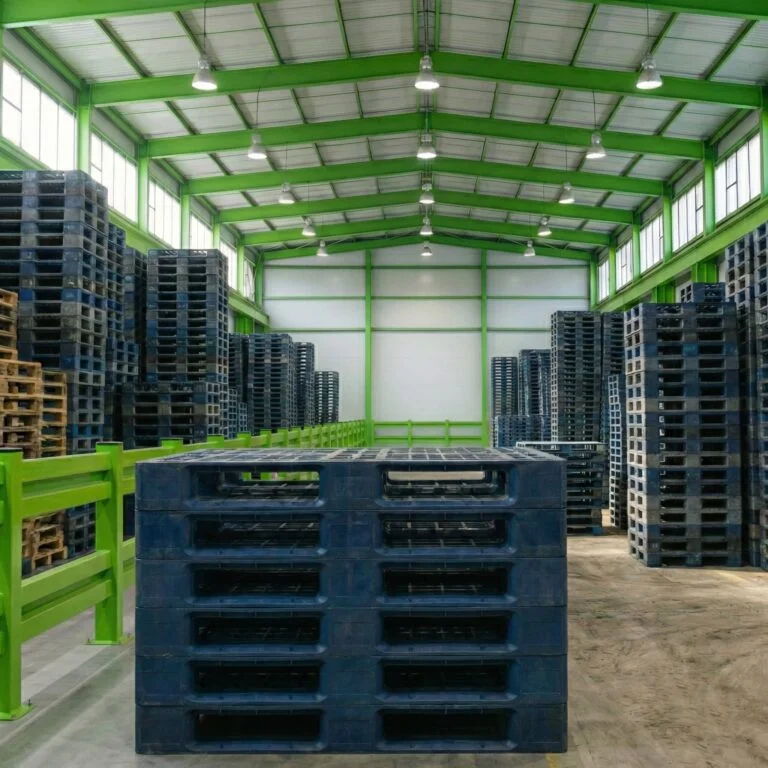
What food companies look for in a pallet
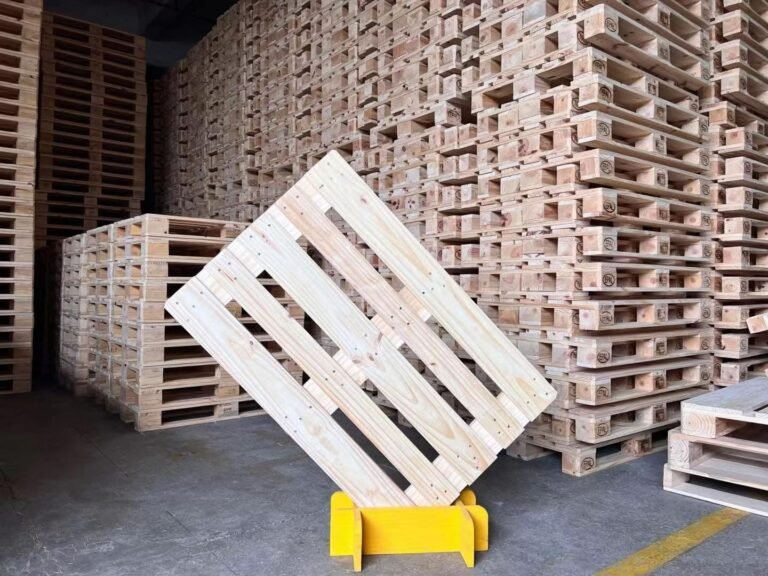
Pallets in the food chain carry products that end up on consumers' tables, so cleanliness and dryness matter. Most food safety systems (HACCP-based schemes and retailer standards) expect pallets to be clean, dry, free of pests and in good repair. Damaged or dirty pallets are a common reason for rejected deliveries.
Practical tips
- Use new or clean pallets for open or lightly packed products.
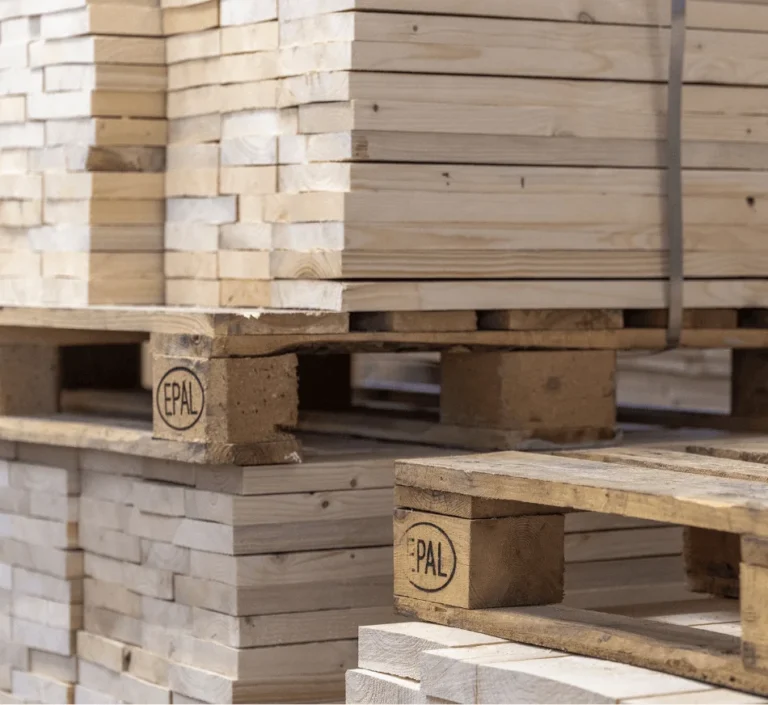
- Store pallets dry and covered to prevent mould, especially after heat treatment.
- Check your retailer's rules: many require EPAL pallets of a set quality class for exchange.
- Use plastic pallets in areas that are washed down daily.
Heat treatment kills pests but does not prevent mould. Dry storage remains essential.
Why food companies choose FRAMPAL
Manufacturer since 1997
Own production in Frameries, Belgium.
ISO 9001 certified
Consistent, documented quality checks.
Full range
New, EPAL, heat-treated and plastic pallets from one supplier.
Regular deliveries
Scheduled supply for steady production.
Mixed loads
Different pallet types in one truck.
Fast reply
Quotes within 24 hours on business days.
Food industry pallet questions
Which pallets are best for food products?
Are wooden pallets allowed in food production?
Do food exports need heat-treated pallets?
What is the minimum order?
Get a quote for food industry pallets
Tell us your products, pallet type and quantity. Minimum order 100 pallets.